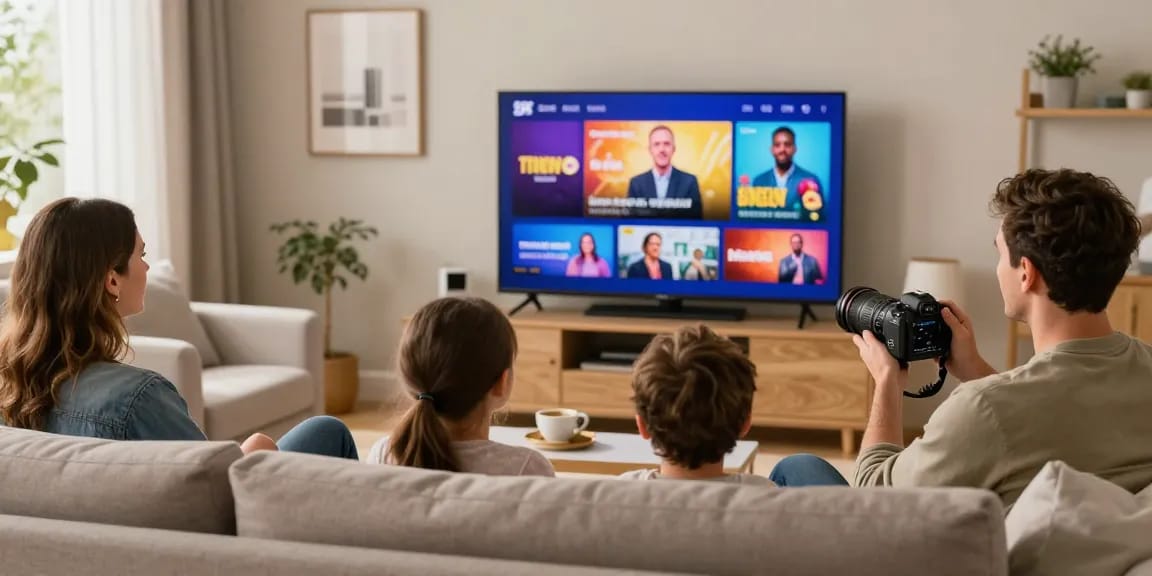
Understanding IPTV UK: What It Is and How It Works
In an age where technology continually reshapes how we consume media, IPTV UK (Internet Protocol Television) stands out as a transformative solution for television viewing. Unlike traditional terrestrial broadcasts, IPTV delivers content over the internet, providing users with a wealth of channels and on-demand options. This shift not only enhances the convenience of viewing but also offers a cost-effective and flexible solution for millions of viewers across the UK.
What is IPTV?
IPTV is a technology that allows users to stream television content through an internet connection instead of traditional satellite or cable methods. It utilises a broadband connection to deliver content directly to your devices, including smart TVs, tablets, computers, and smartphones. These services can include live television broadcasts, on-demand videos, and even recorded shows, all conveniently available at your fingertips.
How IPTV Differs from Traditional TV
Traditional television services typically rely on cable or satellite dishes to access channels, often involving hefty subscriptions and limited flexibility for consumers. In contrast, IPTV operates on a model where users can choose subscriptions that best fit their viewing habits, with options ranging from live broadcasts to a vast library of on-demand content. Moreover, IPTV allows for multi-device access, significantly enhancing user experience and making it suitable for today’s fast-paced lifestyle.
The Benefits of Streaming British Television
One of the primary benefits of IPTV is the ability to watch British television from anywhere in the world. Whether you’re a transient expatriate or a travelling enthusiast, having access to UK broadcasts keeps you connected to your homeland. Furthermore, IPTV services often provide higher streaming quality and less downtime compared to their traditional counterparts, alongside a varied content library that includes live shows, movies, and binge-worthy series.
Choosing the Right IPTV Provider: Essential Considerations
When considering an IPTV service, it’s crucial to evaluate a provider based on several key factors that ensure a reliable and satisfying viewing experience. The competitive landscape of IPTV services in the UK means that you have numerous options, but this can sometimes lead to confusion if not approached correctly.
Key Features of a Trusted IPTV Service
- Content Variety: Ensure the provider offers a wide range of channels, including live television, movies, and series of various genres.
- Streaming Quality: Look for services that guarantee high-definition streaming with minimal buffering times.
- Technical Support: Reliable customer service is essential for promptly resolving technical issues that may arise during usage.
- Flexibility: Providers that offer flexible subscription plans (monthly, quarterly, or yearly) are often preferable to those that require long-term commitments.
- User Experience: A user-friendly interface is key for navigation and enjoyment, especially for less tech-savvy consumers.
Comparing Pricing Packages and Value
Pricing is another crucial factor when choosing your IPTV provider. While it's tempting to go for the cheapest option, it's essential to balance cost with value. Some providers may offer low prices but compromise on the content variety or streaming quality. Aim for services that provide detailed information about what’s included in each package for better value assessment.
Reading Customer Reviews: What to Look For
Customer reviews can offer insightful details about a provider's reliability and qualities. Look for consistent themes in reviews, such as streaming quality, response times from customer support, and overall user satisfaction. Be cautious of providers with a high number of negative reviews or warnings regarding service interruptions.
Getting Started with British IPTV: A Simple Guide
Setting up your British IPTV service can be relatively straightforward if you follow a systematic approach. Most reputable providers will guide you through the setup process to ensure a seamless experience from the outset.
Step-by-Step Setup Process
- Choose Your Plan: Identify which IPTV package meets your needs, considering content preferences and costs.
- Sign Up: Complete the registration process with your chosen provider, typically requiring personal information and payment details.
- Download the App: Most IPTV services will direct you to download their application suitable for your device.
- Install and Activate: Follow the installation guidelines provided by the service to set up the app on your device. You may need to enter your Username and Password to access your content.
- Explore Content: Once activated, browse the channels and on-demand content available to you.
Technical Requirements for Optimal Viewing
To enjoy a smooth viewing experience, ensure your internet connection is stable and meets the minimum speed requirements specified by your IPTV provider, usually at least 10Mbps for HD streaming. You should also confirm compatibility with your devices, whether they are smart TVs, gaming consoles, or mobile devices.
Accessing Customer Support: The First Point of Call
Having robust customer support is vital. Look for providers that offer multiple contact methods (e.g., live chat, email, phone), with customer service available 24/7. This can significantly minimize frustrations should complications occur during setup or use.
Legal and Responsible Use of IPTV Services
As with any streaming service, being aware of legalities and responsible usage of IPTV is crucial for a hassle-free experience. IPTV offers extensive viewing options, but it is vital to adhere to local regulations and compliance guidelines while using this technology.
Understanding Licensing and Compliance Regulations
IPTV services must comply with broadcasting regulations, which may vary by country. Ensure that your chosen provider is legitimate and possesses the appropriate licenses to stream content. Engaging in services that don’t comply can lead to penalties or service disruptions.
Staying Safe While Streaming: Best Practices
Security is essential while using any internet-based service. To enhance your safety when streaming, consider using a Virtual Private Network (VPN) to protect your data and privacy. This ensures your online activities remain discreet and reduces the risk of interception by malicious actors.
Community Standards and the Importance of Fair Use
IPTV services should adhere to community standards that promote fair use and respect copyright laws. Users should always verify the legality of the content accessed and be mindful of sharing proprietary information to encourage ethical streaming practices.
Impact of IPTV on Future Viewing Habits
The evolution of viewing habits is reshaping how content providers develop services. IPTV is at the forefront of this change, catering to consumer demands for greater flexibility and control over their viewing experiences.
Custom Content Requests and On-Demand Libraries
Providers like British IPTV services often justly pride themselves on offering custom content requests, enabling users to tailor their viewing libraries. Consumers are now more likely to expect immediate access to their desired content without the constraints typical of traditional broadcasting services.
Flexible Viewing Options: Short-Term vs Long-Term Plans
Offering flexible plans is vital to meet diverse consumer needs. Many IPTV providers now offer short-term subscriptions allowing users to opt-in for limited periods, accommodating users who may only want to access specific content during a particular time frame, such as holidays or sporting events.
The Role of IPTV in Evolving Media Consumption
The future of media consumption hinges on user-centric platforms such as IPTV, where personalisation is key. The emphasis on providing subscribers with a tailored experience fitting their unique interests continues to drive innovations in service offerings.
What is the average cost of IPTV services in the UK?Can I watch live sports through IPTV? Are there any regional restrictions for IPTV in the UK?How can I troubleshoot common IPTV issues?What devices are compatible with British IPTV services?